Why Live Music Heals: Concerts, Cortisol and Catharsis
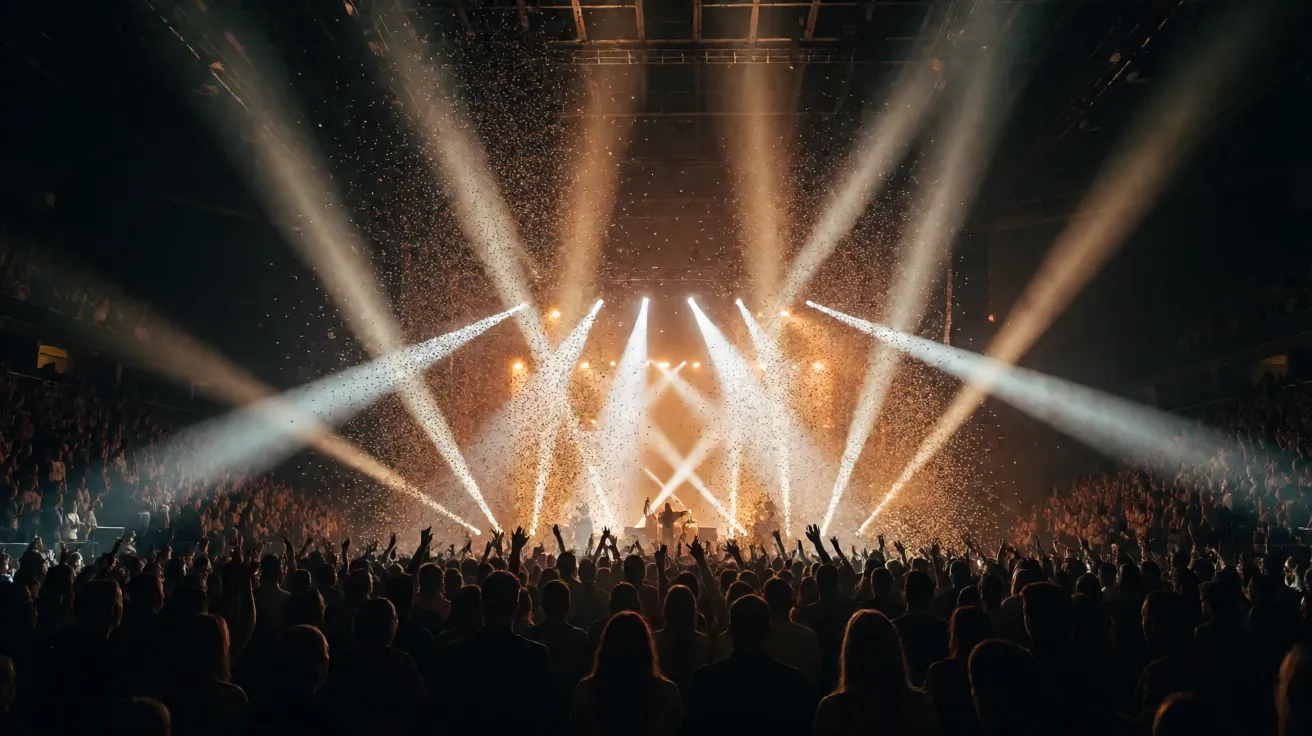
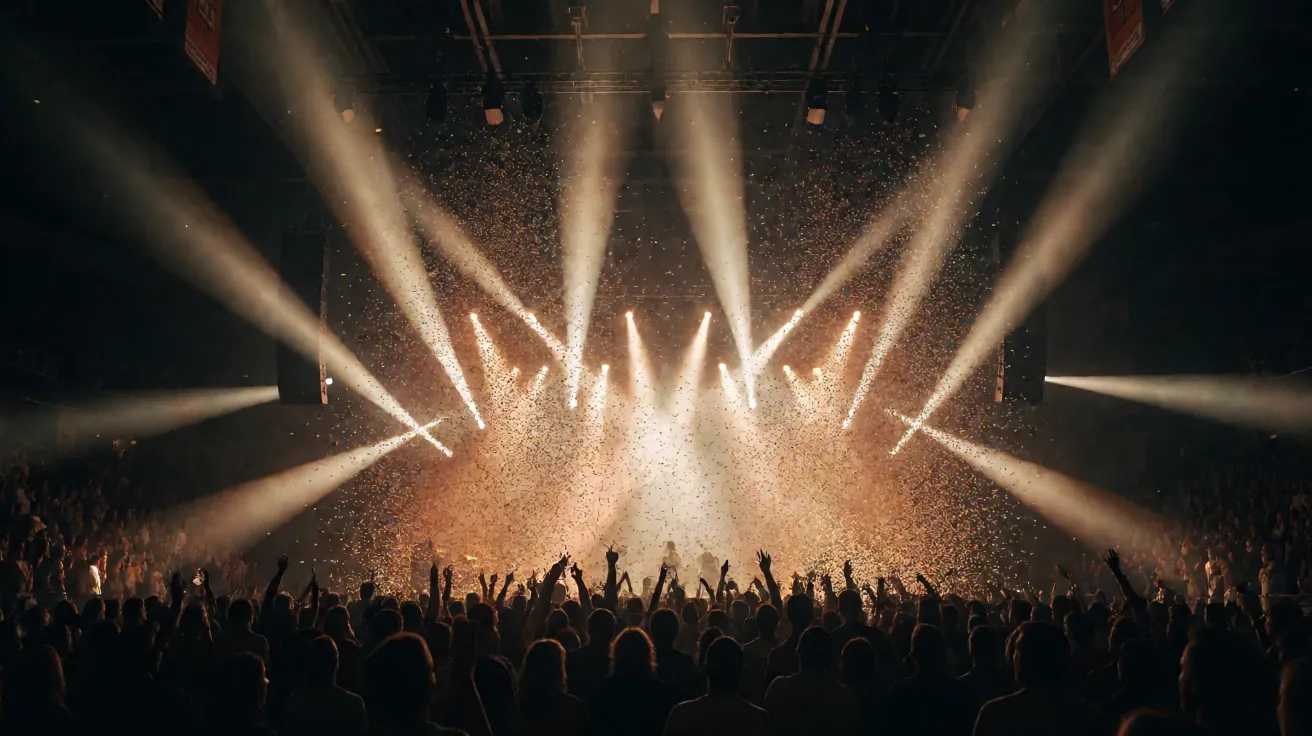
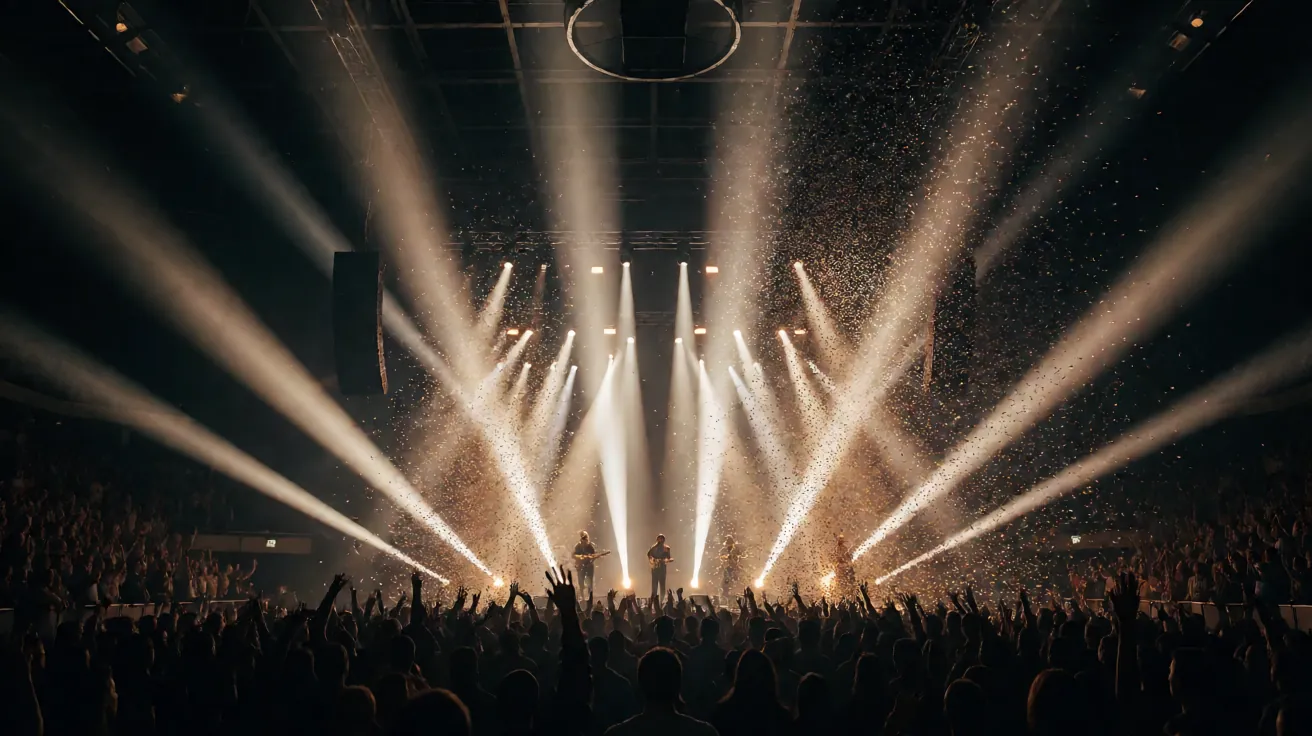
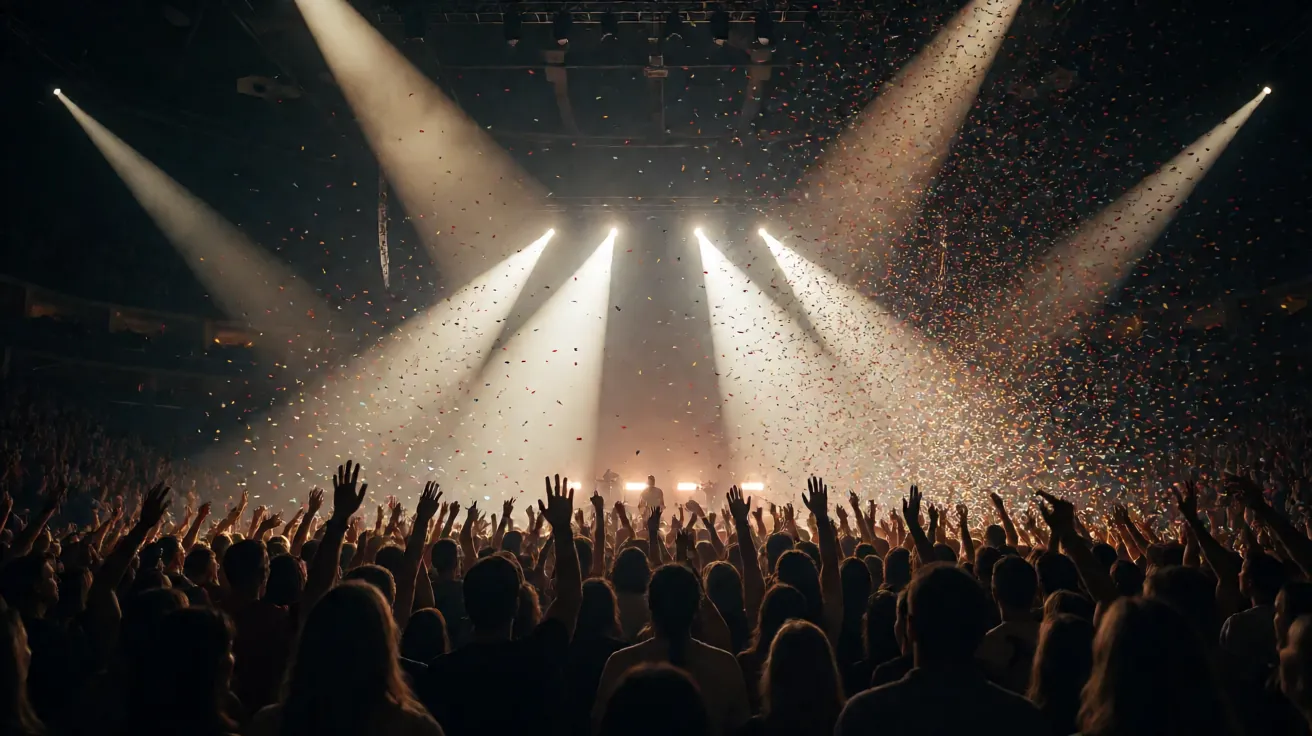
Everyone says concerts are good for mental health, but the claim deserves better than a slogan. Why live music heals goes deeper than a mood boost: a night of live music measurably lowers the stress hormone cortisol, synchronises nervous systems across a crowd, and gives grief and joy somewhere loud to live. This is not the generic wellness angle; it is the physiology of standing in forty thousand heartbeats and feeling your own settle. Here is what actually happens to your mind at a gig.
Cortisol, Catharsis, and the Crowd Effect
Saliva studies at concerts show cortisol dropping significantly during performances, with group singing producing larger reductions than passive listening. Your brain is not just distracted from stress; singing, moving, and breathing in rhythm actively downregulate the threat system. Loud music also permits emotional release that quiet rooms suppress: crying at a ballad surrounded by strangers feels safe because everyone is feeling it simultaneously. Psychologists call this co-regulation, and crowds do it at scale.
The synchrony effect compounds the healing. When thousands move to the same beat, brain imaging shows reward circuits lighting up together, producing belonging without conversation. For people who struggle with loneliness or social anxiety, this matters enormously: connection without the pressure of interaction. The comedown is real too, and post-concert blues reflect genuine neurochemical withdrawal, which is why planning the next show is legitimate self-care rather than escapism.
Practical Ways Gigs Support Wellbeing
Use shows deliberately for mental health:
- Sing fully: vocalising engages the vagus nerve and deepens the cortisol drop.
- Move your body: dancing discharges stored tension better than standing still.
- Go solo sometimes: solo gigs build autonomy and presence without social performance.
- Grieve loudly: dedicate songs to losses; crowds hold sorrow without demanding explanations.
- Aftercare: hydrate, sleep, journal three lines, and message one gig friend the next day.
A Healthier Relationship With Live Music
Balance keeps the healing sustainable: budget for shows instead of debt-spiralling on tickets, protect your ears and sleep, and skip the afterparty when your body asks for rest. If crowds overwhelm, choose seated sections, daylight shows, and smaller venues where intensity stays manageable. Notice which artists and settings restore you most, then prioritise those over hype-driven bookings. Live music is medicine best taken in prescribed doses, and arriving in an outfit that feels like you amplifies the effect, which is why fans ritualise gig-day dressing with favourites like a YORD India tour tee worn like armour. Heal loudly, recover gently, and keep the next date circled.
When Gigs Overwhelm: Crowds and Anxiety
Live music heals, but crowds can wound, and honest guidance covers both. If density spikes panic, move laterally toward venue edges, raised platforms, or sound-desk zones where space opens and sightlines stay good. Earplugs double as anxiety tools by lowering sensory load; tinted glasses and a cap narrow visual chaos. Breathe in rhythm with the bassline: four counts in, six out, repeated until the nervous system steadies. There is no weakness in stepping out for one song.
Choose formats that fit your wiring. Seated sections, matinee shows, classical and acoustic nights, and small venues offer the music with gentler intensity. Attend with a trusted person who knows your signals, and agree on an exit plan that either of you can invoke without debate. Skip substances that amplify anxiety in unpredictable crowds. Professional support matters when overwhelm persists beyond gigs; a therapist familiar with sensory issues helps more than any guide. Honour your limits and the music stays medicine instead of becoming a test.
Circle one show date this month, treat it as an appointment with yourself, and go collect the reset only live music delivers.