Sustainable Concert Fashion: Look Good, Waste Less
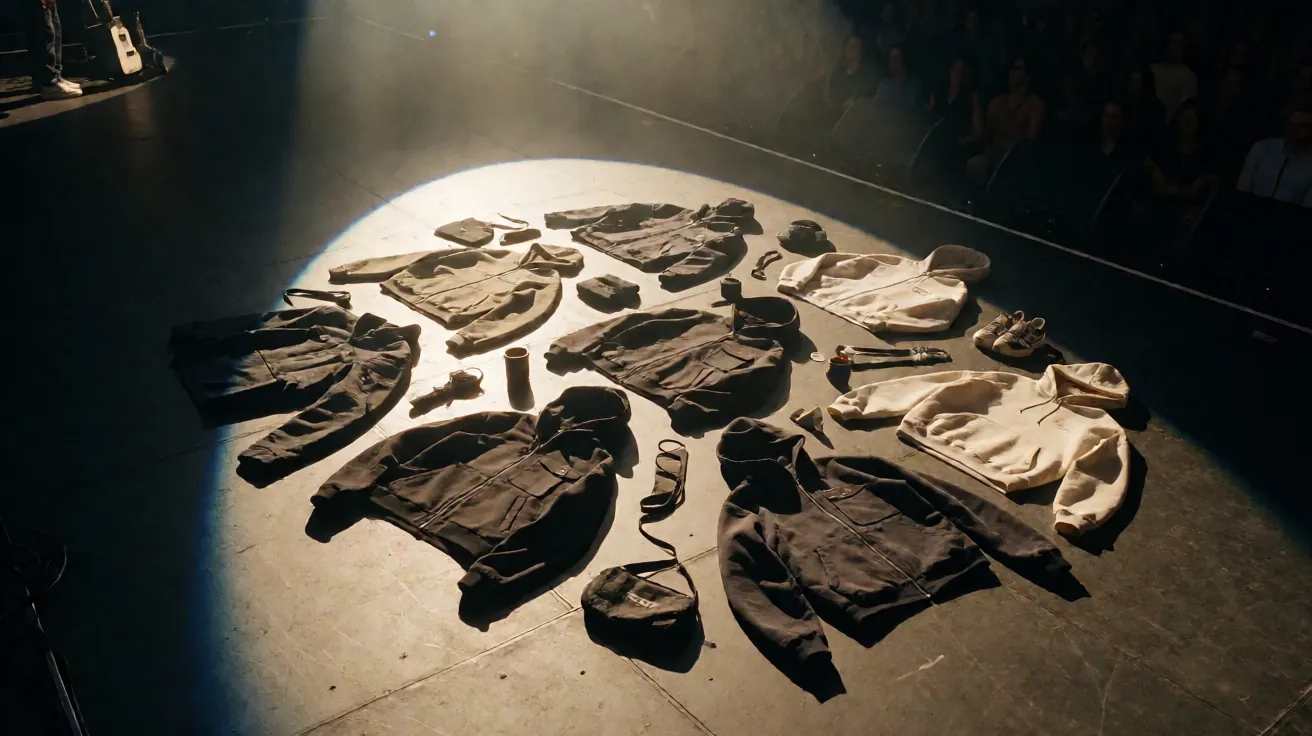
Concert fashion has a waste problem. Cheap event tees worn once, plastic ponchos abandoned in mud, and fast-fashion outfits bought for a single Instagram post pile up after every festival season. Sustainable concert fashion rejects the wear-once logic without sacrificing style: it is about buying less, choosing better, and wearing longer. The most stylish gig outfit is the one with a story, not the one with a same-day-delivery tag.
Why Gig Fashion Wastes So Much
The economics encourage disposability: a tee cheaper than the concert water feels consequence-free, and outfit pressure from social media pushes fans toward single-use looks. Most budget event merch uses thin fabrics and plastisol prints that crack within months, guaranteeing replacement purchases. Add glitter, single-use rain gear, and individually wrapped accessories, and one festival weekend generates startling waste per attendee. Indian festivals, with their scale and open grounds, make the aftermath visible in every cleanup photo.
The fix starts before buying. Ask three questions: will I wear this ten times, is the fabric built to last, and can it be repaired or recycled. A heavyweight tee worn fifty times beats five flimsy ones on every metric, cost per wear included. Renting statement pieces for themed shows, swapping with friends, and restyling owned clothes cover most outfit pressure without new purchases. When you do buy, certified cotton, water-based inks, and honest construction matter more than green slogans.
Five Habits of Low-Waste Gig-Goers
Small shifts with large footprints:
- Buy the keeper tee: one quality artist tee per season instead of three thin ones.
- Carry reusables: bottle, poncho, tote, and cutlery beat venue disposables every time.
- Restyle first: shop your wardrobe and borrow before buying anything new for a show.
- Care and repair: wash cold, air dry, and stitch small tears instead of replacing.
- Pass it on: resell, swap, or donate outgrown merch so it gets a second audience.
Quality Is the Greenest Choice
Durability is sustainability in practice: a 220 GSM combed-cotton tee with water-based prints lasts years while disposable merch lasts a season. Fewer washes, cold water, and line drying extend every garment's life further. Support brands that publish fabric weights, print methods, and manufacturing details instead of hiding behind vague eco claims. This philosophy shapes YORD India production, from dense long-life cotton blanks to prints engineered for dozens of washes, because a concert tee you wear for a decade is the ultimate low-waste flex. Dance all night knowing your outfit will be back for the next tour too.
The Secondhand and Swap Scene in India
India's pre-loved fashion ecosystem is the sustainability shortcut most gig-goers ignore. Thrift stores in Delhi, Mumbai, and Bengaluru increasingly stock band tees and festival wear at fractions of retail, and online thrift sellers run gig-ready drops weekly. Quality varies, so inspect collars, armpits, and print cracking in person or demand detailed photos, and always wash thrifted pieces hot once before first wear. The hunt itself becomes part of the hobby, with rare finds carrying stories no new purchase can match.
Clothing swaps formalise the same logic among friends: gather five gig-goers, each bringing five pieces, and trade outfits for the season with zero spending. College societies and fan clubs already run swap meets around festival calendars; join or start one in your circle. Online resale platforms handle the rest, letting you sell outgrown merch to fans who will wear it. Every swapped or thrifted outfit is one less new garment manufactured, and the uniqueness guarantees nobody else at the show wears your look.
Start with one habit this month: carry reusables to your next show and notice how little you throw away by the encore.