Storing Collectible Merch and Framing Concert Tickets
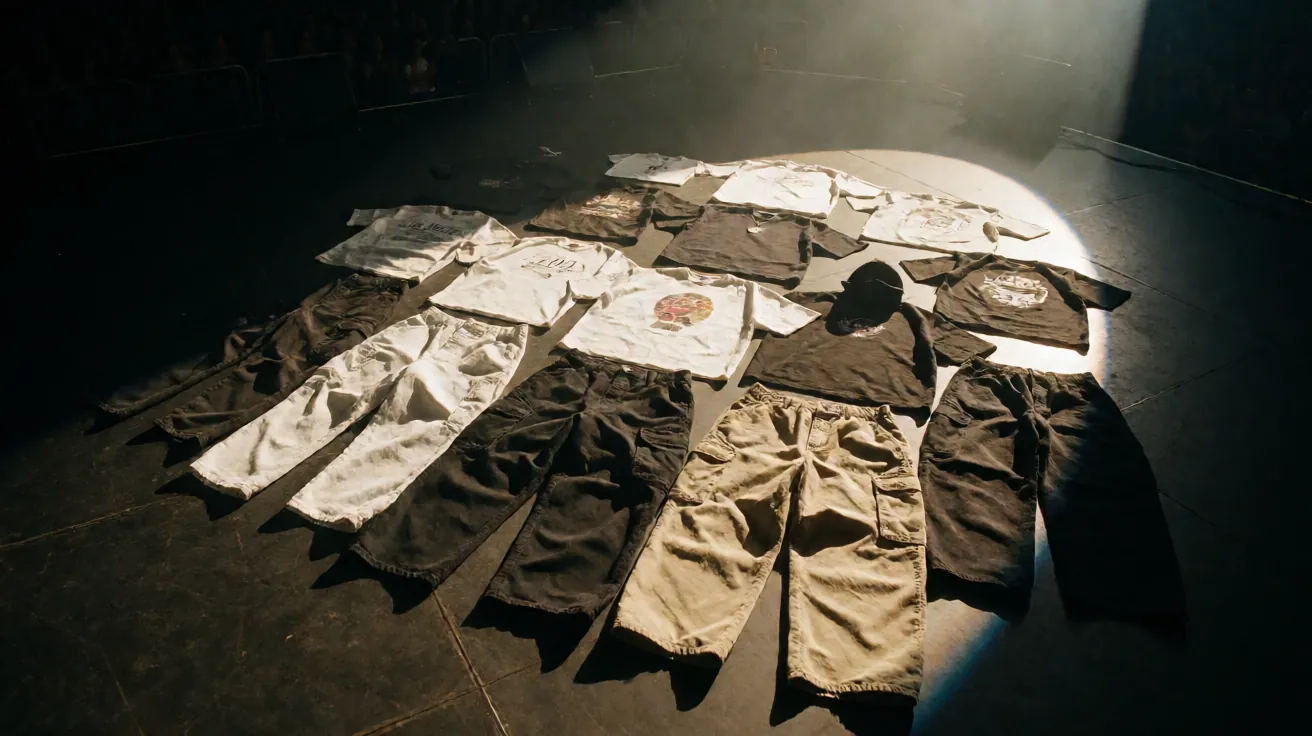
Limited tour tees, signed posters, wristbands, and ticket stubs are tiny museums of your happiest nights. Storing collectible merch correctly is what separates a faded drawer of rags from a collection worth showing off, and framing concert tickets turns paper memories into wall art. Paper yellows, ink fades, and cotton stretches when neglected; with archival basics, everything survives decades looking like the night you brought it home.
Storing Wearable Collectibles
Wash collectible tees once in cold water with mild detergent before storing, since invisible sweat and sunscreen acids yellow fabric over years. Fold with acid-free tissue between layers rather than hanging, because hangers stretch collars and shoulders under long storage. Keep them in breathable cotton garment bags or archival boxes in a cool, dry cupboard; plastic bins trap moisture and invite mildew in Indian humidity, so add silica gel sachets if you must use them. Never store in direct sunlight or under tube lights, which fade prints steadily.
For signed pieces, the signature is the artefact: avoid washing signed areas entirely, spot-clean around them, and store the garment flat so the ink never cracks along fold lines. Photograph every collectible front and back before storing, recording tour, date, and venue, because provenance is what makes a collection meaningful later. Rotate display pieces seasonally rather than exhibiting the same tee in light all year.
Framing Tickets, Stubs, and Posters
Give paper memories gallery treatment:
- Ticket stubs: float-mount in small shadow-box frames with the wristband beside them.
- UV glass: always specify UV-protective glazing; thermal-printed tickets fade fast in light.
- Acid-free mats: standard cardboard mats yellow paper within years; insist on acid-free.
- Poster framing: linen-back rare posters before framing, and never trim edges to fit frames.
- Gallery walls: group frames by artist or year for a concert timeline on one wall.
Building a Collection That Grows in Value
Collect deliberately: venue-exclusive prints, first-tour merch, and signed items appreciate most, while mass reprints rarely do. Keep receipts, order confirmations, and photos of yourself at the show alongside each piece, since documented stories multiply sentimental and resale value. Insure genuinely rare signed memorabilia once the collection justifies it, and digitise everything with high-resolution scans as backup against fire, flood, and fading. Start the collection with pieces built to last, like YORD India limited concert prints on archival-grade blanks, and your wall becomes a timeline of nights that changed you. Store it right, frame the best, and the memories stay vivid.
Digitising the Collection as Backup
Physical archives need digital twins, because fire, flood, and fading ignore sentiment. Photograph every collectible flat in daylight, front and back, with close-ups of signatures, tags, and date lists. Scan paper items at high resolution, since scans capture thermal-print detail that photos blur. Name files systematically with artist, venue, and date so the archive stays searchable across decades and devices.
Store copies in two places minimum: cloud storage plus an external drive kept elsewhere. Record provenance notes alongside each item, including where you bought it, who you attended with, and the setlist highlights, because stories are what future viewers ask about. Share selectively: public posts of rare pieces attract fellow collectors and document ownership, but keep location and storage details private. Update the archive yearly as the collection grows, and migrate formats before old drives fail. Digital backup does not replace the framed wall; it guarantees the memories survive anything the wall cannot.
Begin this weekend with your three most meaningful pieces: wash them cold, photograph front and back, record the tour story, and store them archivally. Then frame the single ticket that started it all and hang it where you see it daily.